What is Right to Education?
Education remains one of the most powerful tools of social transformation, yet its equitable access continues to be uneven in practice. Despite the mandate of the Right to Education Act, 2009, gaps in implementation persist, often reflected in inadequate infrastructure, limited awareness, and barriers faced by disadvantaged communities. Since 2016, the Legal Aid and Awareness Committee (LAAC), NLU Jodhpur, has worked to address these gaps through sustained, ground-level engagement. Beginning with a 20-day field survey across 107 government schools in Jodhpur, the Committee identified critical deficiencies in infrastructure and learning conditions, leading to a Public Interest Litigation before the Rajasthan High Court. Building on this foundation, the initiative has since facilitated 390+ student admissions, directly engaged with 80+ families in targeted outreach drives, and mobilised students and stakeholders across India through research, competitions, and policy dialogue, transforming the promise of the RTE Act into tangible impact.
What We do ?

Public Interest Litigation
The Public Interest Litigation undertaken by the Committee represents a significant step towards addressing systemic shortcomings in the implementation of the Right to Education Act, 2009. The origins of this legal intervention can be traced back to July 2016, when members of the Legal Aid and Awareness Committee conducted an extensive 20-day field survey across 107 government schools in Jodhpur, Rajasthan. This exercise revealed serious deficiencies in school infrastructure, lack of basic amenities, and a general failure to meet the standards prescribed under the RTE Act. These shortcomings not only affected the physical environment of schools but also had a direct bearing on the quality of education being imparted.

Paper Presentation and Panel Discussion
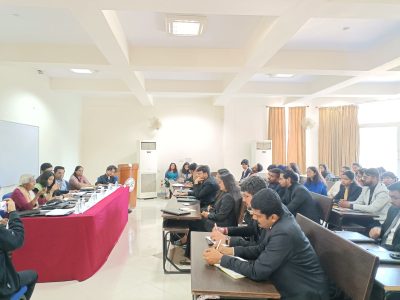
The Paper Presentation and Panel Discussion Series constitutes the academic and policy-oriented dimension of the RTE Initiative, serving as a national platform for critical engagement on the implementation of the Right to Education Act, 2009. Designed to bridge the gap between theory and practice, the series brings together students, researchers, policymakers, and practitioners to examine the functioning of the Act across diverse regions of the country.

Project Unnati
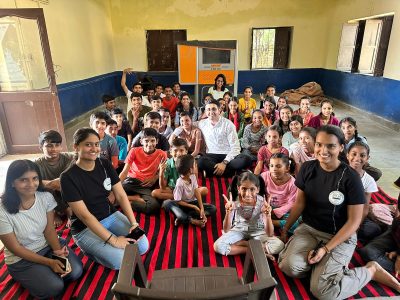
Project Unnati is a flagship initiative, aimed at strengthening English communication skills among students in Surpura. Through bi-weekly, curriculum-based sessions, the project focuses on improving reading, writing, listening, and speaking abilities using interactive and activity-driven methods. Over time, the initiative has expanded to include digital learning tools such as projectors and specially designed learning materials, including the Unnati Booklet. In 2024, the launch of a dedicated “Unnati Batch” and a revised curriculum on written and spoken English marked a significant step forward. Implemented across 11 sessions with 62 students, the project has led to noticeable improvements in comprehension, fluency, and confidence, reflecting its sustained educational impact.

RTE Admission and Outreach
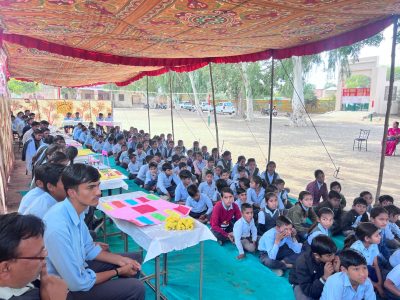
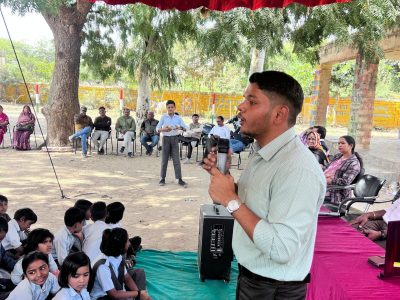
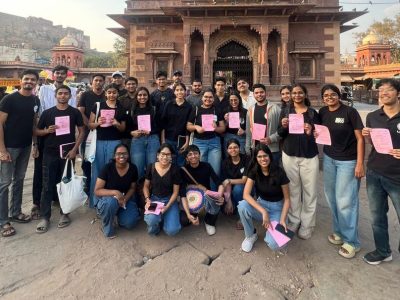
The RTE Admissions and Outreach initiative reflects the Committee’s sustained commitment to ensuring that the benefits of the Right to Education Act, 2009 reach those for whom they are intended. Recognising that lack of awareness, procedural complexities, and documentation barriers often prevent eligible families from accessing their rights, the Committee undertakes structured, on-ground interventions aimed at bridging this gap. These efforts involve extensive community engagement through door-to-door outreach, awareness drives, and direct interaction with families from economically weaker and disadvantaged sections.

Milkar Karein RTE Ko Sarthak
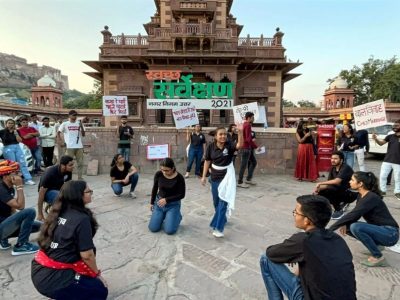
Milkar Karein RTE Ko Sarthak is the Committee’s flagship initiative that seeks to translate the legal mandate of the Right to Education Act into tangible outcomes for children from disadvantaged backgrounds. Conceived as an annual programme, the initiative is designed to facilitate school admissions under the RTE framework by directly addressing the procedural and informational barriers faced by families. The initiative operates through a unique model that combines student participation with measurable social impact. College students form teams and engage directly with families to assist them in navigating the admission process

Capacity Building and Workshops
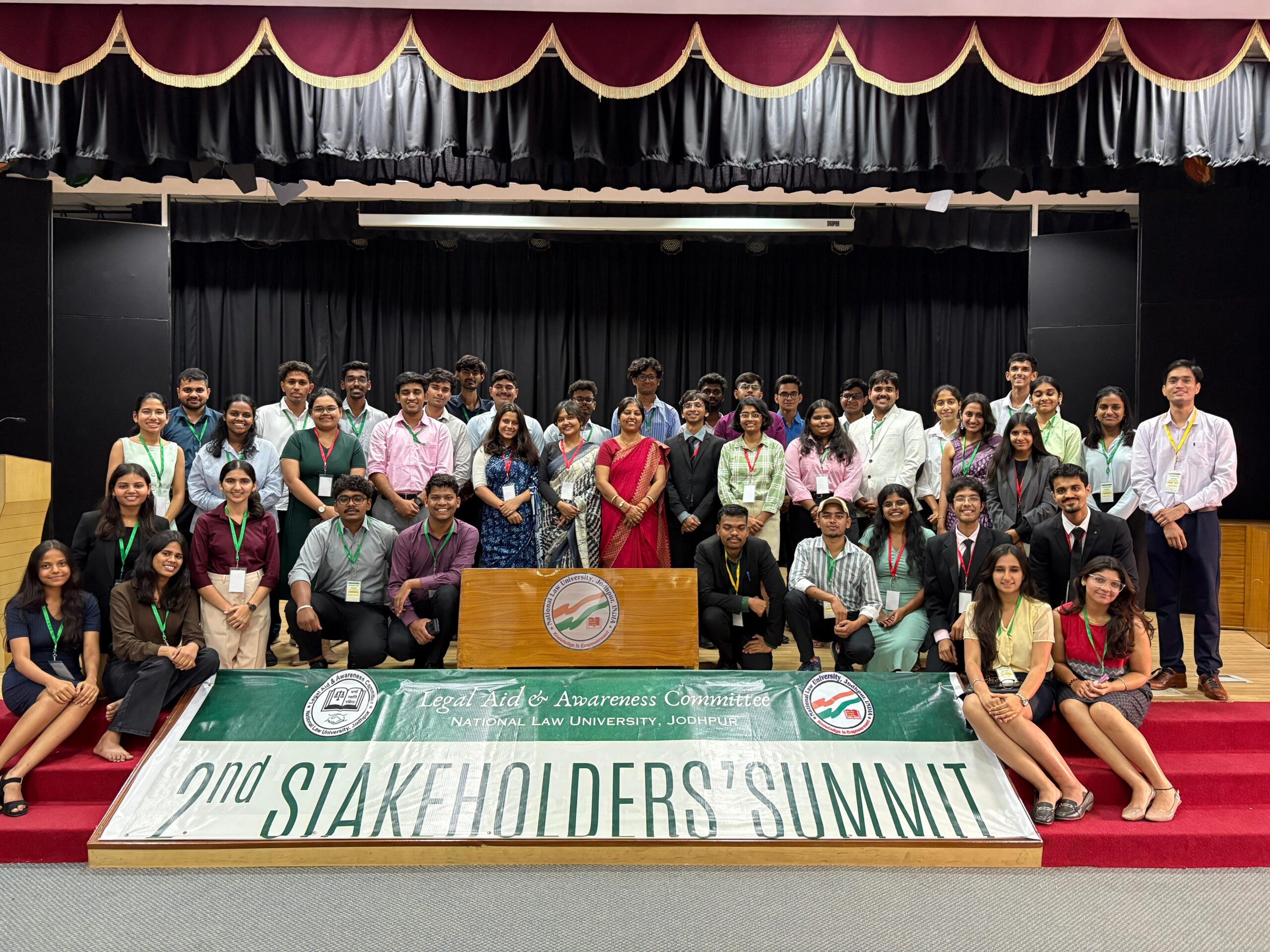
Capacity building is a core component of the RTE Initiative, based on the understanding that effective implementation of legal rights requires informed and empowered stakeholders. Through workshops, panel discussions, and training sessions, the Committee equips students and community members with the knowledge and skills needed to engage with the RTE framework. These sessions address key aspects such as legal provisions, implementation challenges, and the role of legal aid and litigation, while bridging the gap between theory and practice. A notable initiative was the panel discussion on “Capacity Building for Law Students in the Right to Education,” which explored grassroots awareness, barriers faced by marginalised communities, and the need for strategic legal interventions. Overall, these efforts aim to foster informed participation and build a network of individuals capable of advocating for and strengthening the realisation of the right to education.
Workshops Conducted
Our Achievements
School Surveyed
Family Assisted